

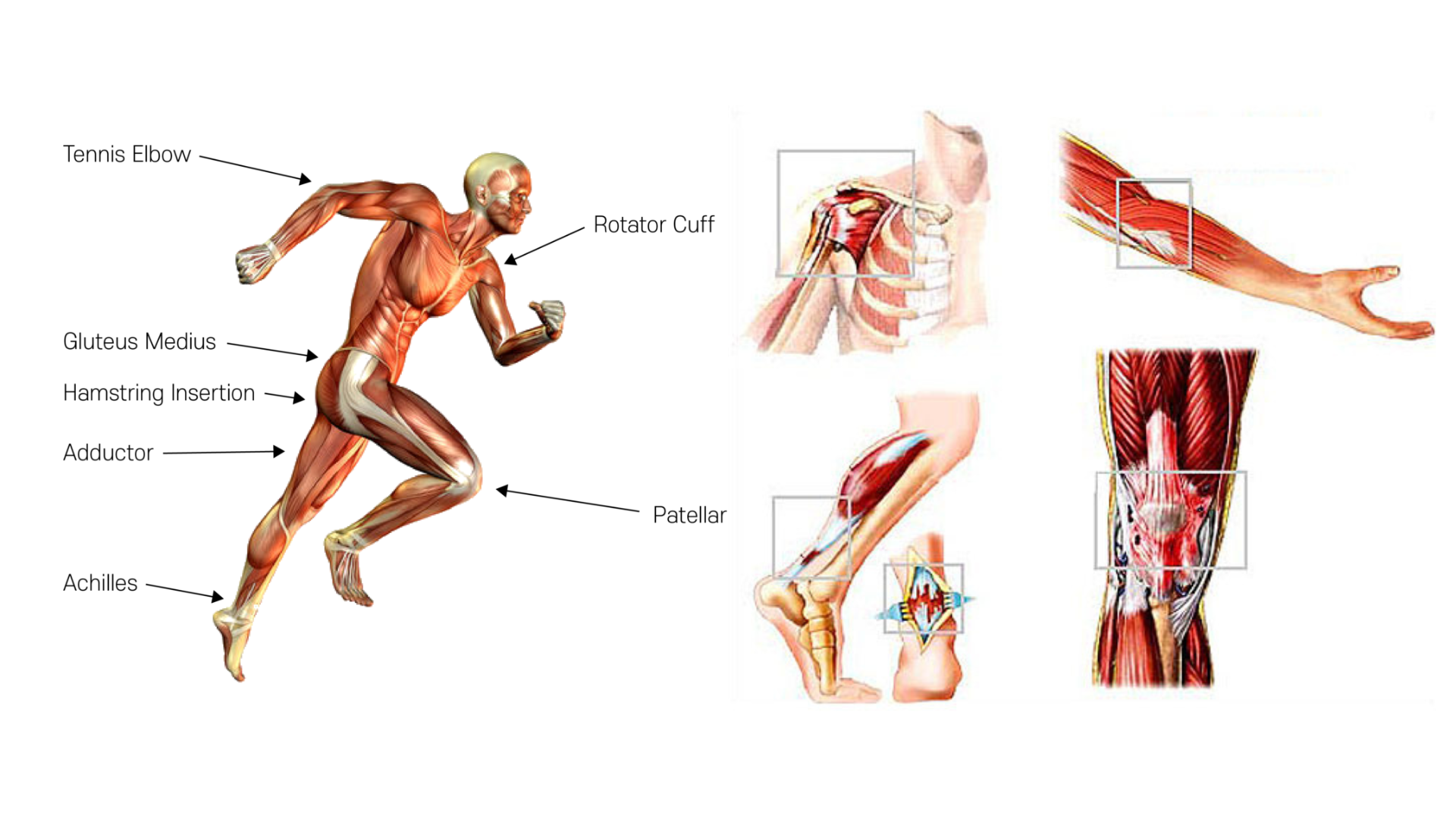
Understanding Tendinopathy: Ayurvedic & Orthopaedic Healing
What is Tendinopathy?
Tendinopathy refers to the irritation, inflammation, or degeneration of tendons, the tough bands of tissue that connect muscles to bones. This condition often results in pain, stiffness, and reduced mobility, making even simple tasks challenging. While commonly seen in athletes and active individuals, anyone can experience tendinopathy due to repetitive movements, aging, or poor posture.
How Does Tendinopathy Happen?
Tendons bear the burden of daily activities, and when overused or strained, they can develop micro-tears. These tiny injuries accumulate over time, leading to:
- Chronic strain and stress from repetitive movements
- Aging and wear causing reduced tendon flexibility
- Poor posture or biomechanics leading to misalignment
- Sudden overuse without proper conditioning or warm-ups
- Nutritional deficiencies weakening tendon structure
Signs and Symptoms
If you’re experiencing tendinopathy, you might notice:
- Persistent pain and tenderness around the affected joint
- Stiffness and difficulty moving after rest
- Swelling or thickening in the tendon area
- Weakness or reduced strength in the affected limb
- A crackling or grating sensation when moving the tendon
Ayurvedic Approach to Healing Tendinopathy
Ayurveda views tendinopathy as an imbalance in the body’s Vata and Pitta doshas, leading to inflammation and stiffness. Ayurvedic healing focuses on restoring balance through herbal remedies, therapies, diet, and lifestyle modifications.
1. Ayurvedic Herbs for Tendon Health
- Ashwagandha – Reduces inflammation and promotes tissue repair
- Shallaki (Boswellia) – Supports joint and tendon health
- Guggulu – Aids in reducing swelling and pain
- Turmeric (Curcumin) – A natural anti-inflammatory powerhouse
- Moringa – Strengthens musculoskeletal structure
2. Panchakarma Therapies
- Abhyanga (Ayurvedic Massage): Warm medicated oils improve circulation and tendon flexibility
- Swedana (Herbal Steam Therapy): Relieves stiffness and promotes detoxification
- Basti (Medicated Enema): Helps in balancing Vata dosha, reducing pain and dryness
3. Ayurvedic Dietary Guidelines
- Eat anti-inflammatory foods like ginger, turmeric, and fresh fruits
- Include healthy fats from ghee, nuts, and seeds for joint lubrication
- Avoid processed, cold, and heavy foods that aggravate stiffness
Taking Care of Tendinopathy at Home
Managing tendinopathy requires a mix of rest, care, and gradual strengthening. Here’s what you can do at home:
1. Things You’ll Need
- Warm compress or heating pad to improve blood circulation
- Cold pack for immediate pain relief after exertion
- Herbal pain relief oils for gentle massages
- Supportive braces or bandages to reduce strain
- Nutritional supplements (Collagen, Vitamin C, Omega-3) to boost recovery
2. Physical Therapy & Exercises
Gradual movement is key in healing tendinopathy. Here are some effective exercises:
Stretching Exercises
- Calf Stretch: Stand facing a wall, push one leg back and press the heel down
- Wrist Flexor Stretch: Extend your arm forward, pull your fingers back gently
- Shoulder Stretch: Cross one arm over your chest and hold it with the other hand
Strengthening Exercises
- Eccentric Heel Drops: Stand on a step, rise onto your toes, and slowly lower down
- Resistance Band Flexion: Use a resistance band to strengthen wrist or elbow tendons
- Isometric Holds: Hold a weight steady in position to activate tendon fibers
Mobility & Recovery Techniques
- Foam Rolling: Helps in breaking down tightness and improving circulation
- Yoga & Meditation: Enhances flexibility and reduces stress-induced inflammation
Prevention & Long-Term Care
Preventing tendinopathy is all about maintaining healthy movement patterns and balanced nutrition. Follow these simple tips:
- Warm up properly before workouts and activities
- Strengthen surrounding muscles to reduce tendon strain
- Maintain good posture in daily tasks and work setups
- Stay hydrated and eat a balanced diet for tendon resilience
- Listen to your body and avoid overexertion
Conclusion
Tendinopathy can be managed effectively through a combination of orthopaedic care, ayurvedic healing, and mindful movement. With the right approach, you can restore strength, reduce pain, and regain mobility naturally. If symptoms persist, consult an Ayurvedic expert or an orthopaedic specialist for personalized guidance.
Ready to Heal Naturally?
Explore our Ayurvedic solutions for tendon health and take the first step towards pain-free movement.